True quality takes time
Bottle fermentation is a slow process that demands patience. However, it rewards us with a unique wine—one that evolves over time, offering new and different emotions with every passing season.
A living, stimulating, and spirited evolution, capable of satisfying even the most demanding palates.
.
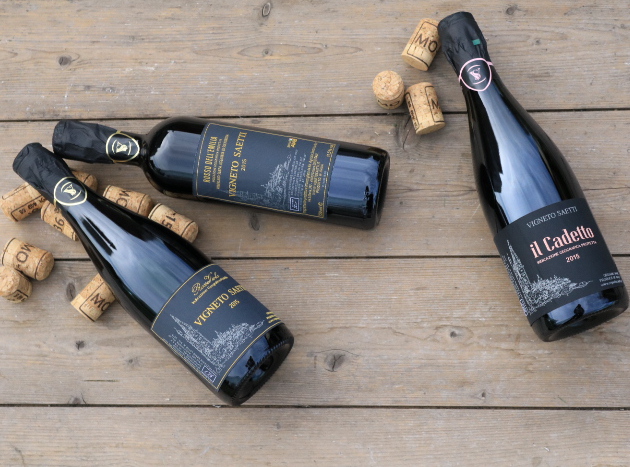
Vinification
phase ①
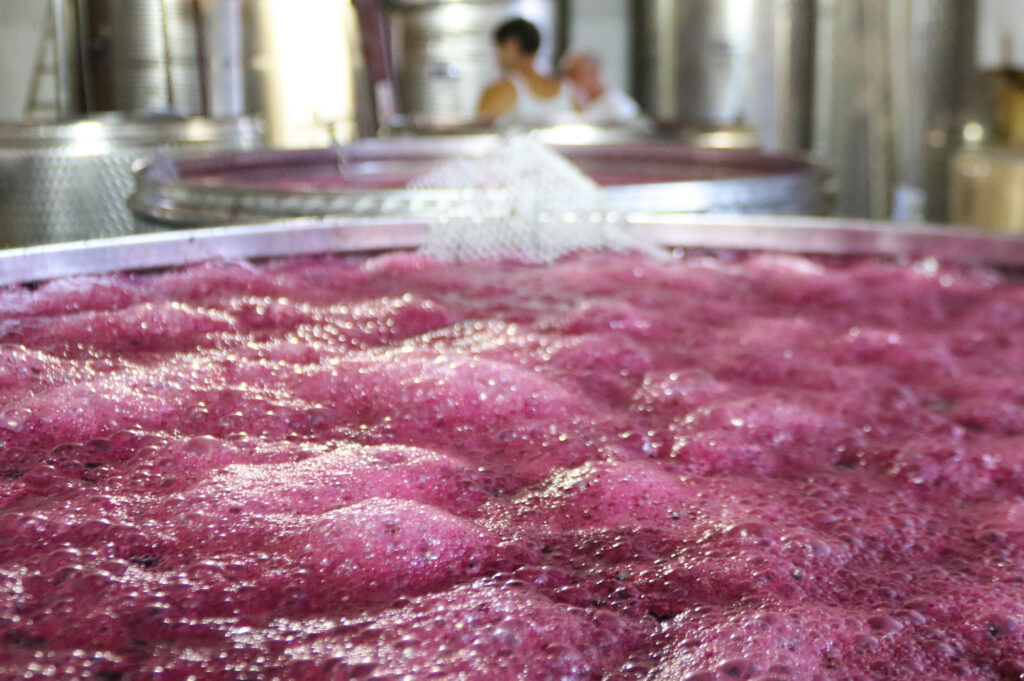
Maceration and first fermentation
The must is transformed into wine thanks to maceration processes that vary depending on the product, followed by the initial fermentation in stainless steel tanks at a controlled temperature.
No presses or presses are used in the cellar; we only work with the free-run must obtained by draining the skins.
phase ②
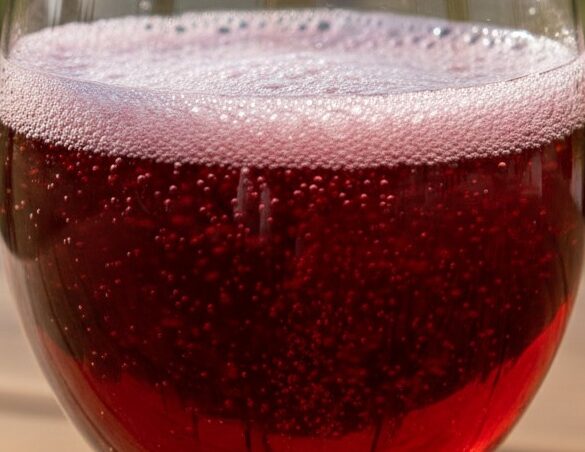
Second fermentation in bottle
The second fermentation takes place when the wine is bottled in spring. During this phase, the frozen musts from the last harvest are used.
phase ③
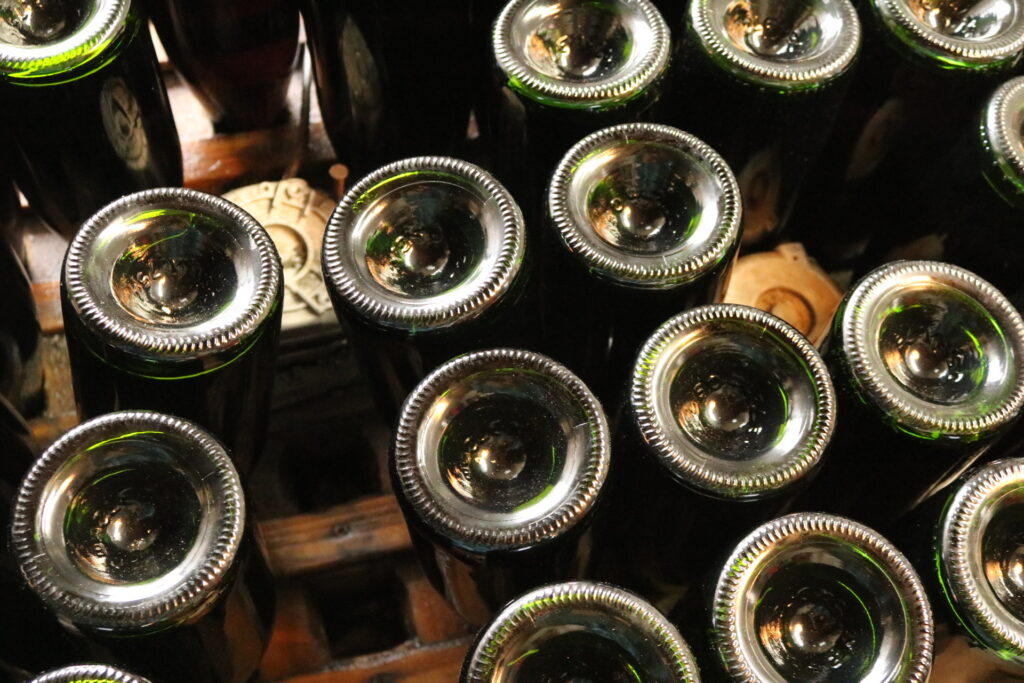
remuage
The bottles are turned upside down and left upright for at least three months, allowing the sediment to settle and concentrate at the neck.

fase ④
degorgement
We perform a manual "ice" disgorgement, chilling the neck of the bottle to pop the cork and allow the sediment to be eliminated. Top-ups are done exclusively with wine from the same vintage.